How to save wet carpet after clean water damage and prevent mold growth
@healthyfloorhabits
November 13, 2026 · 6 min read
Can wet carpet be saved after clean water damage?
Yes, wet carpet can often be saved after clean water damage, but speed and thorough drying are essential. If you act within 24 to 48 hours and dry the carpet completely, you can usually avoid permanent mold growth. After that window, the risk of mold and mildew increases sharply, and the carpet may need replacement. The key is removing all moisture from the carpet, the pad underneath, and the subfloor before mold takes hold.
What counts as clean water damage?
Clean water damage means the water came from a source that is not contaminated by sewage, chemicals, or floodwater. Examples include a burst pipe from a supply line, an overflowing bathtub, a leaking washing machine hose, or clean rainwater that entered through a window. This kind of water does not carry harmful pathogens or heavy soiling, which is why the carpet has a real chance of being saved. Gray water from dishwashers or washing machines may contain detergents and small food particles, so it is less clean, but still often salvageable with proper extraction and drying. Black water from toilets or sewage is a different matter entirely, and that carpet should be discarded for health reasons.
The first steps: extract water immediately
Time is the biggest factor. The faster you remove standing water, the less time moisture has to soak into the carpet fibers, the backing, the pad, and the subfloor. Start by using a wet-dry vacuum to pull up as much water as possible. Work slowly and methodically, overlapping passes to extract from deep within the pile. If the water is more than a few millimeters deep, you may need to use a pump or a mop and bucket to reduce the standing water before vacuuming.
Once you have removed the surface water, press down on the carpet with a clean towel or a squeegee to see if more moisture comes up. If it does, continue extracting. A carpet that still feels damp to the touch after extraction needs more drying time or a more powerful extraction method. Professional-grade equipment can pull moisture from deep in the backing and the pad, which is where mold often starts.
When to remove the carpet pad
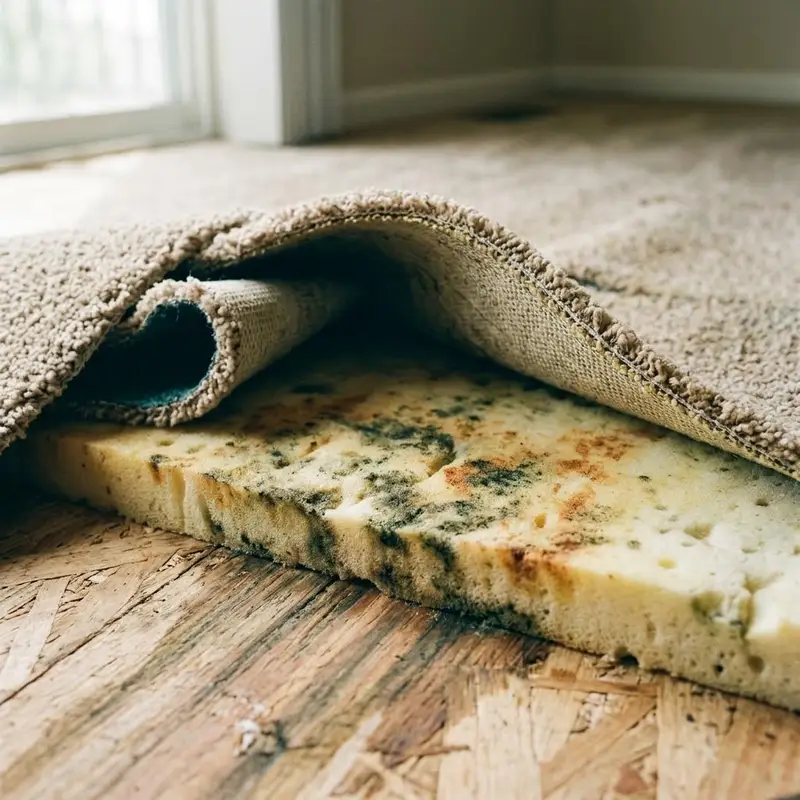
The padding beneath the carpet acts like a sponge. It holds water much longer than the carpet fibers themselves, and it is almost impossible to dry it completely while it is still under the carpet. In many cases, you have to pull up the carpet carefully and remove the wet pad. If the pad is rubber or foam, it may be salvageable after thorough cleaning and drying, but most standard padding should be thrown away after significant water exposure. The carpet itself can be laid flat in a clean area or hung over a railing to dry while the subfloor is dried with fans and dehumidifiers.
Do not replace the carpet over a damp pad or subfloor. That traps moisture and practically guarantees mold growth within a few days. Carpet mold remediation is much harder once the mold has spread into the backing and the floor beneath.
Drying methods that work
Extraction is only half the battle. Drying the carpet and the underlying structure completely is what prevents mold. The best approach combines air movement, dehumidification, and heat (if safe for the carpet type).
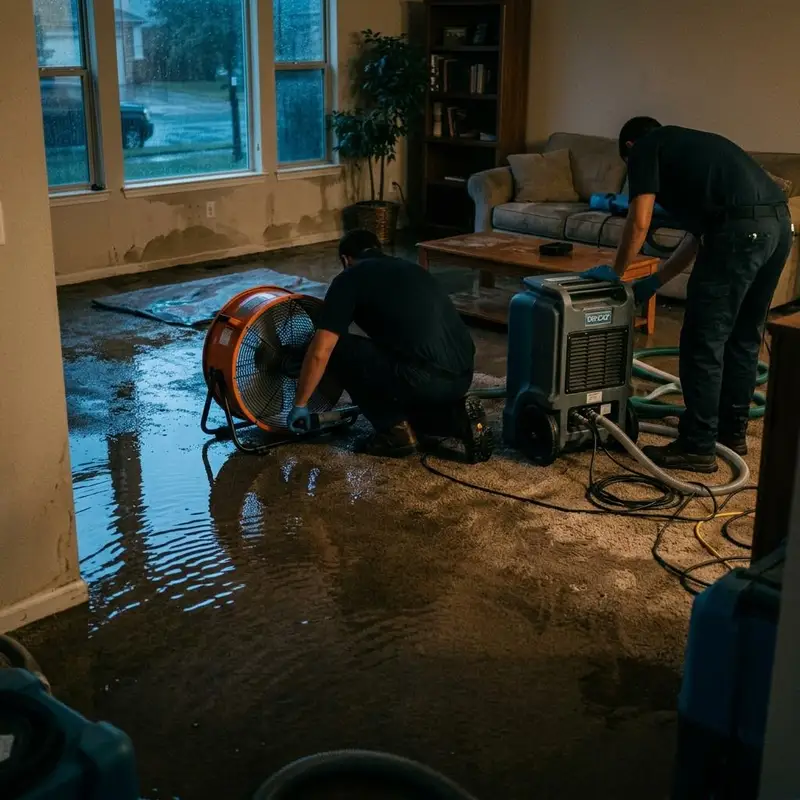
Set up high-velocity fans pointing across the wet carpet surface, not straight down into it. Cross ventilation is powerful, so open windows and doors if the outdoor humidity is low. If the air outside is humid, use dehumidifiers to pull moisture out of the room air instead. Keep the room sealed and run the dehumidifier continuously for several days. A dehumidifier rated for the room size can remove several gallons of water per day, which speeds up drying dramatically.
Heating the room can help, but avoid direct heat on the carpet that might damage the fibers or the backing. A moderate room temperature of around 70-75°F (21-24°C) with low humidity and strong airflow works better than high heat alone. Check the carpet periodically by pressing a dry paper towel onto the surface. If the towel comes away damp, more drying time is needed.
When to call in professionals
If you have extracted all visible water and dried the area for several days but still notice a musty smell, visible discoloration, or any signs of mold, it is time to consider professional help. Carpet mold remediation requires identifying the moisture source, removing contaminated materials, drying the structure, and improving indoor air quality. This is not a job for household cleaners or bleach alone, especially once mold has penetrated the carpet backing or the subfloor.
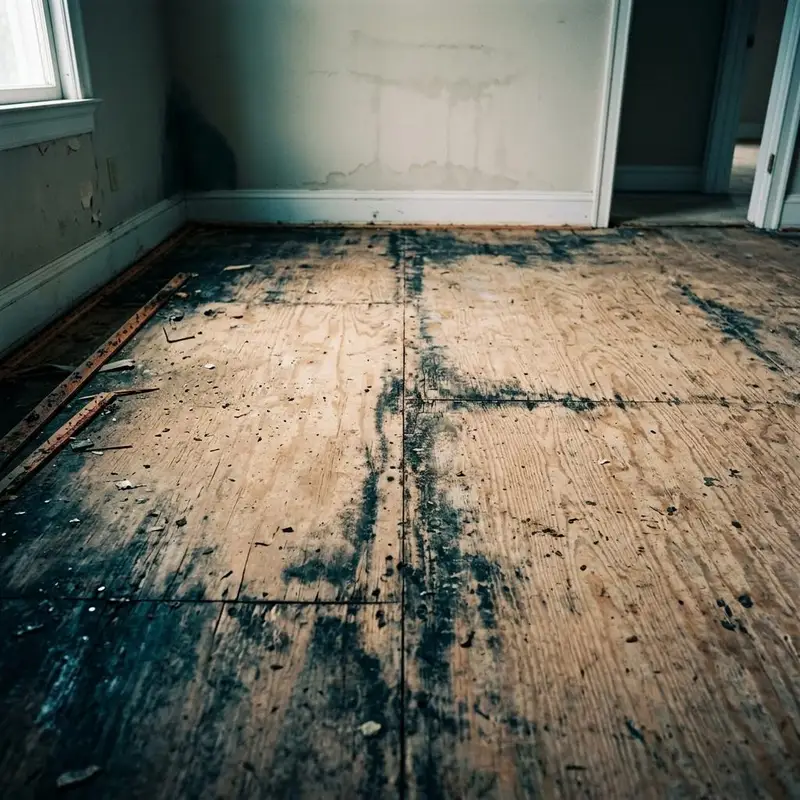
Carpet Mold Removal Services Pros have the equipment and experience to handle situations where moisture is trapped beneath the carpet or inside the subfloor. They use commercial-grade extraction machines, industrial air movers, and moisture meters that can find hidden damp spots. They also know how to safely remove and dispose of moldy materials without releasing spores into the rest of the home.
If the water damage is from a clean source and you acted quickly, you may be able to handle it yourself. But if the carpet was wet for more than 48 hours, or if you see or smell any mold, professional remediation is the safer choice.
Signs that the carpet cannot be saved
Not every wet carpet can be saved, even with fast action. Look for these signs that replacement is necessary:
- The carpet padding is disintegrating or falling apart when you touch it.
- There is visible mold on the carpet fibers, backing, or the subfloor.
- A persistent musty smell remains after thorough drying and cleaning.
- The carpet was flooded with gray water from a washing machine or dishwasher that contained food particles, which feed mold quickly.
- The subfloor is particle board or OSB that has become soft or swollen.
In these cases, the cost and effort of trying to save the carpet are not worth the health risk. Removing the carpet, drying the subfloor, and installing new carpet or a different floor covering is usually the better long-term solution.
Preventing mold after water damage
Even if you save the carpet, you still need to ensure the area stays dry for the next several weeks. Mold spores are everywhere, and they only need moisture to grow. Keep the room well-ventilated and use a dehumidifier to maintain indoor humidity below 50 percent. Check under the carpet edges and in corners for any signs of moisture wicking up from the subfloor. If you notice condensation on windows or walls, address the source of humidity before it causes problems.
Consider applying a mold-inhibiting treatment to the subfloor before reinstalling the carpet. These treatments are available at most hardware stores and can add a layer of protection. But they do not replace the need for thorough drying; they only help prevent future growth if moisture returns.
Carpet Mold Removal Services Pros can also apply professional-grade antimicrobial treatments and sealants that are not available to the general public. If you are dealing with a large area or a home that has had previous moisture issues, it is worth asking them about these products.
The bottom line
Clean water damage does not automatically ruin your carpet. With fast extraction, removal of the wet padding, and aggressive drying using fans and dehumidifiers, you can often save the carpet and avoid the need for carpet mold remediation. The window is tight, though. If more than two days pass or if you see any signs of mold, professional assessment is wise. Replacing a carpet is expensive and disruptive, but replacing it after mold has spread is even more so. Acting quickly gives you the best chance of keeping your carpet and your indoor air quality healthy.